
Discover how artificial intelligence, connected business systems, and intelligent automation can transform your website into a powerful digital growth engine.
The digital world is evolving rapidly. Businesses are no longer competing solely on product quality or pricing. Customer experience, response speed, online visibility, and operational efficiency are becoming increasingly important.
Today, customers expect businesses to be available online, answer their questions quickly, and provide seamless digital experiences.
For small and medium-sized businesses, meeting these expectations can be challenging.
That’s where AI-powered digital transformation comes in.
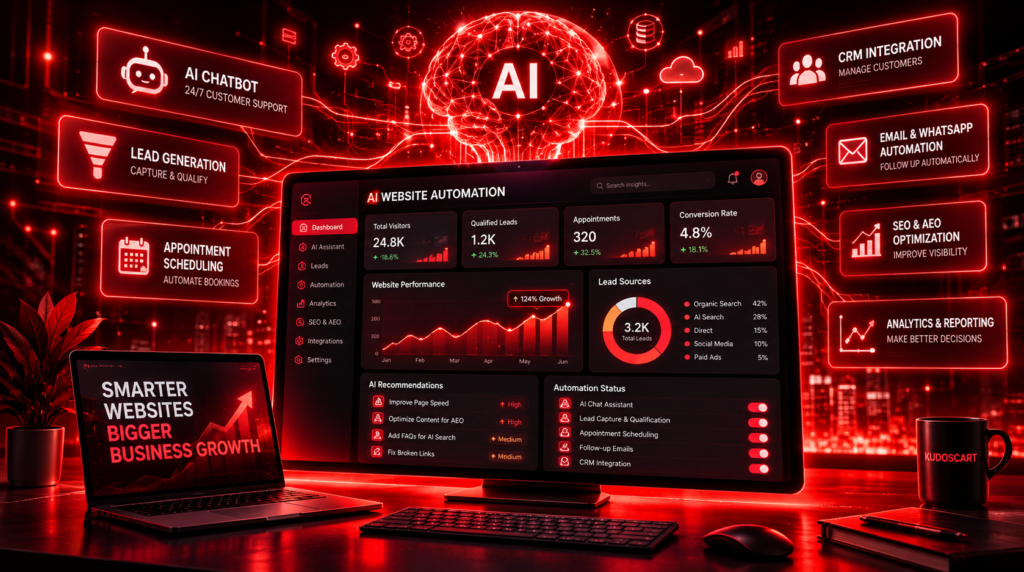
Imagine a business where your website captures inquiries, an AI chatbot answers common questions, a CRM organizes customer information, automated workflows send timely follow-ups, and analytics help you make informed decisions.
Instead of operating as disconnected tools, these systems work together.
This connected approach can help businesses save time, improve customer engagement, and create opportunities for sustainable growth.
At KudosCart, we believe digital transformation should be practical, measurable, and accessible—not unnecessarily complicated.
AI-powered digital transformation is the process of integrating artificial intelligence, automation, and digital technologies into business operations to improve efficiency, customer experiences, and decision-making.
It goes beyond simply adding an AI chatbot to a website.
A successful transformation connects multiple business functions, including:
The objective is to create a connected business ecosystem where information flows smoothly between systems.
Digital transformation isn’t about replacing people with technology. It’s about helping people work more effectively with technology.
Small businesses often operate with limited teams, budgets, and resources.
Employees may handle customer inquiries, sales follow-ups, website updates, marketing campaigns, and administrative tasks simultaneously.
This creates operational challenges.
Common problems include:
AI-assisted automation can help address many of these challenges.
For example, an automated workflow can acknowledge a new inquiry immediately, organize customer information, and notify the appropriate team member.
This does not guarantee more sales, but it can create a more reliable customer communication process.
Your website should be the foundation of your digital business ecosystem.
A modern website can connect customer-facing experiences with business operations.
Important capabilities may include:
A well-designed website should help visitors understand your business and take meaningful action.
Online visibility remains essential for business growth.
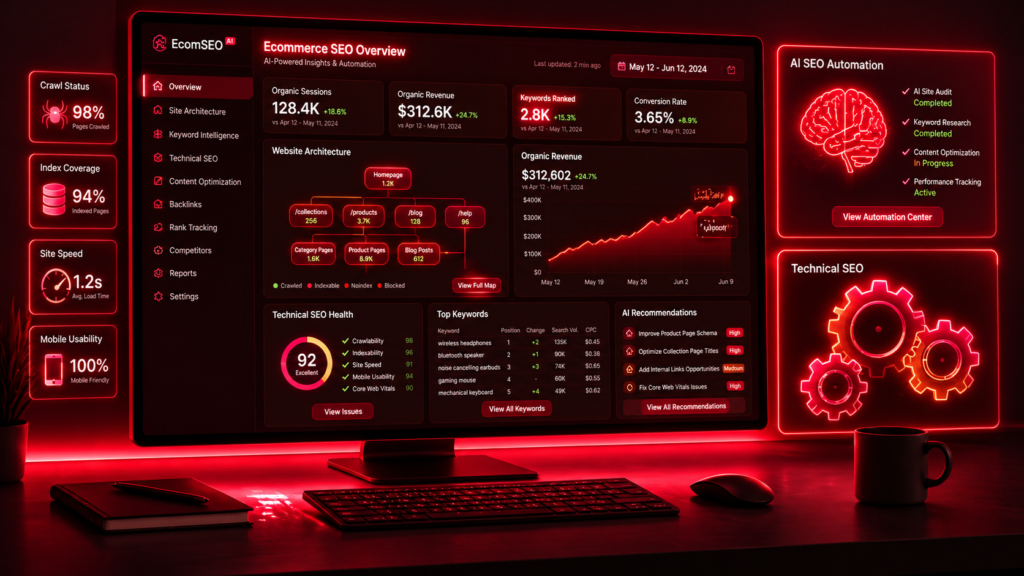
Search Engine Optimization (SEO) helps improve a website’s visibility in traditional organic search results.
Answer Engine Optimization (AEO) focuses on making content easier for AI-powered answer systems to discover, understand, and potentially reference.
A combined SEO and AEO strategy should consider:
Neither SEO nor AEO guarantees rankings or AI citations. Both support a stronger digital discovery foundation.
An AI chatbot can help businesses provide general information and guide website visitors toward relevant services.
Common applications include:
Businesses should use approved knowledge sources and provide human support when necessary.
Generating leads is important, but managing them effectively is equally essential.
An automated lead-generation process may include:
This creates a more organized customer journey.
Customer Relationship Management systems help businesses organize customer information and interactions.
Integrating your website with a CRM can reduce duplicate data entry and improve visibility into sales opportunities.
For example, a service business can track inquiries from initial contact through consultation and project completion.
A CRM also makes it easier to identify inquiries requiring follow-up.
Automated communication can support customer engagement when implemented responsibly.
Examples include:
Businesses must respect customer consent, messaging platform rules, and applicable data protection requirements.
Automation should improve communication rather than overwhelm customers.
A connected business system generates useful operational data.
Businesses can monitor:
AI-assisted analysis can help identify patterns, but important business decisions should still involve human judgment.
Consider a consulting business offering website development and digital marketing services.
Without automation, inquiries may arrive through multiple channels and require manual tracking.
With a connected system, the process can become more structured.
Website Visitor → Lead Capture → CRM → Automated Follow-Up → Consultation → Customer Conversion → Performance Analytics
Customers discover the business through Google Search, AI-assisted search, social media, or referrals.
The website provides relevant service information and an easy way to make contact.
With appropriate consent, inquiry details are securely transferred to a CRM.
The system acknowledges the inquiry and schedules appropriate follow-up activities.
A team member reviews the customer’s requirements and provides personalized assistance.
The business measures inquiry quality, response time, and conversion outcomes.
The result is a connected workflow that reduces unnecessary manual steps.
AI-powered transformation is not limited to technology companies.
Potential applications include appointment requests, administrative reminders, general service information, and customer communication.
Sensitive patient information requires appropriate privacy safeguards, and AI tools should not replace qualified medical professionals.
AI-assisted systems can help organize property inquiries, schedule viewings, and manage follow-ups.
Businesses can use automation for order notifications, customer support, product discovery, and inventory-related workflows.
Consultants can automate initial inquiry handling, consultation scheduling, proposal reminders, and project communication.
Salons, repair services, training centers, and other local businesses can use connected systems to manage inquiries and appointments.
The most useful automation depends on the industry’s actual business processes.
Before implementing automation, businesses should understand their existing website’s strengths and weaknesses.
A technically unhealthy website can limit the effectiveness of new tools.
For example, an AI chatbot may not solve problems caused by broken navigation, slow pages, or confusing service information.
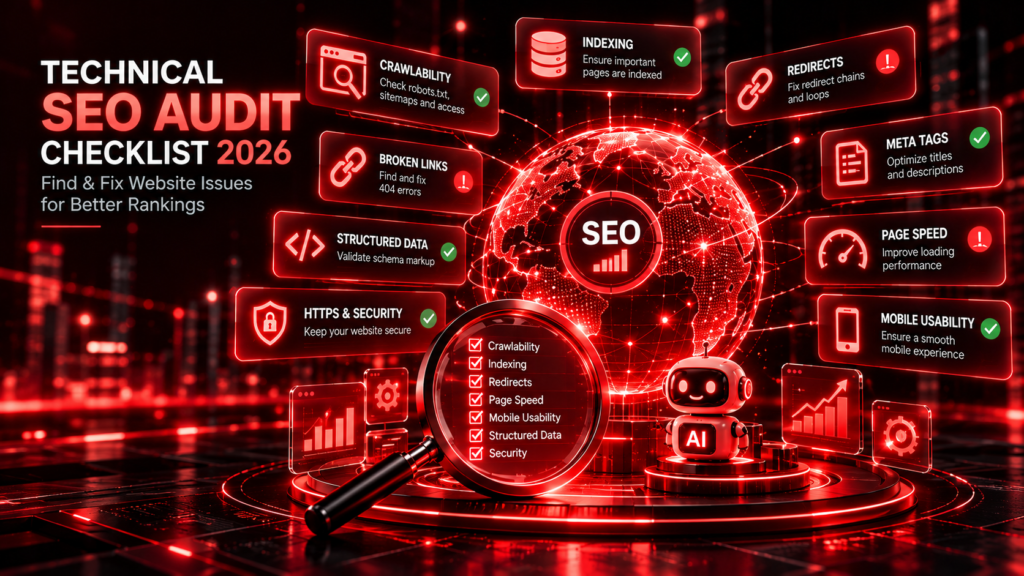
A comprehensive website audit can evaluate:
Website Health: Technical errors, crawlability, redirects, and broken links.
SEO: Metadata, headings, indexing, and internal linking.
AEO: Structured content, conversational answers, entities, and AI crawler accessibility.
Website Quality Assurance: Missing resources, usability issues, and functionality.
Competitor Opportunities: Relevant content gaps and potential improvements.
A website audit provides a practical starting point for a broader transformation strategy.
At KudosCart, we’re developing Bliss Rank AI, an AI-powered website auditing solution designed to simplify website optimization.
Bliss Rank AI focuses on bringing several important auditing capabilities into one platform:
The goal is to help website owners, digital marketers, and agencies understand potential issues and identify improvement opportunities.
By making website analysis more accessible, Bliss Rank AI supports one important part of the digital transformation journey.
Explore Bliss Rank AI: https://kudoscart.com/blissrankai/
Businesses can begin with a focused implementation plan rather than attempting to automate everything at once.
Review your website, customer journey, existing tools, and repetitive processes.
Identify problems that are measurable and worth solving.
Address important website issues, clarify service messaging, and improve lead-capture processes.
Choose a workflow such as inquiry acknowledgment, appointment reminders, or CRM lead assignment.
Test it carefully before expanding.
Review customer feedback, workflow accuracy, response times, and business outcomes.
Document lessons and identify the next improvement opportunity.
This phased approach helps reduce implementation complexity.
Adding multiple disconnected applications can increase costs and operational confusion.
Choose tools that integrate with your existing systems.
Every automation should address a clear business problem.
Collect only necessary customer information and secure it appropriately.
AI-generated responses can be inaccurate. Human review remains important, particularly for sensitive or complex decisions.
A connected business ecosystem still requires a technically reliable, user-friendly website.
Without meaningful performance indicators, businesses may struggle to determine whether automation is providing value.
As AI technology continues to evolve, businesses will have more opportunities to connect websites, customer support, marketing, and operational systems.
However, technology alone does not create sustainable growth.
Successful digital transformation requires:
Businesses that adopt AI thoughtfully can build more efficient operations and better customer experiences.
It is the integration of artificial intelligence, automation, and digital tools into business processes to improve efficiency, customer experiences, and decision-making.
Yes. Small businesses can start with simple workflows such as lead capture, appointment reminders, and inquiry management.
Costs vary depending on the tools, integrations, and complexity involved. Businesses can often begin with limited automation and expand gradually.
AI can automate selected repetitive tasks, but employees remain important for judgment, relationship management, and complex customer interactions.
SEO helps businesses improve organic search visibility, making it easier for potential customers to discover their websites.
A website audit identifies technical and usability issues that could limit the effectiveness of automation and other digital improvements.
AI-powered digital transformation is about building better-connected business systems.
By combining website optimization, SEO, AEO, intelligent automation, CRM integration, and analytics, businesses can create more efficient workflows and improved customer experiences.
The most effective transformation strategies start with a clear understanding of business needs.
At KudosCart, our focus is on helping businesses explore AI-powered websites, automation, and digital optimization as practical tools for growth.
Start by understanding your website’s current performance and identifying opportunities for improvement.
Explore Bliss Rank AI: https://kudoscart.com/blissrankai/
Visit KudosCart: https://kudoscart.com/
Smarter Websites. Connected Systems. Sustainable Growth.